About us

Purnia – The Gateway of Seemanchal, Bihar

Purnia is a vibrant city in northeastern Bihar, known for its rich culture, fertile land, and strategic location. It serves as the administrative and commercial hub of the Purnia district, connecting tradition with modern growth.

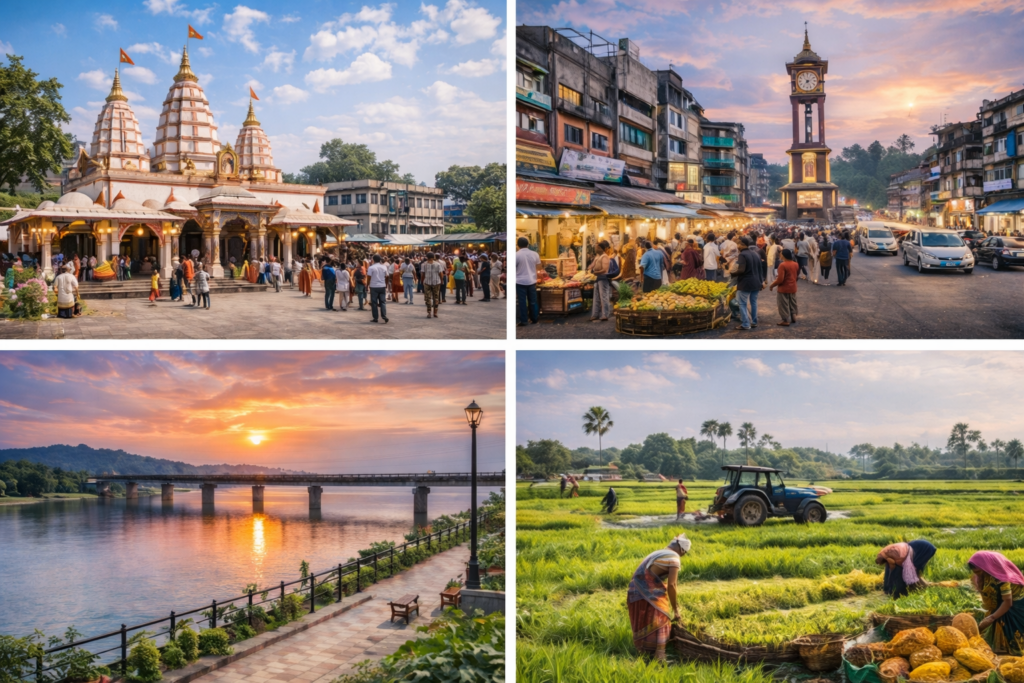
Purnia is the largest city in the Seemanchal region of Bihar, celebrated for its cultural heritage, agriculture, and rapid development. The city is home to the revered Mata Puran Devi Temple, one of the most famous Shakti Peeths, attracting devotees from across India. Purnia plays a key role as a trade and transport hub, linking Bihar with West Bengal and neighboring districts.

The local economy thrives on agriculture, especially makhana (fox nuts), rice, and maize, along with growing sectors like education, healthcare, and small industries. Purnia is also known for its bustling markets, including Mithapur wholesale hub, and emerging business opportunities. The city offers essential facilities, reputed schools, colleges, and hospitals, making it a center for learning and services in the region.

Rich in traditions, Purnia celebrates festivals like Chhath Puja, Durga Puja, Holi, and Eid with great enthusiasm. Natural attractions such as the Mahananda River, Gulab Bagh, and local parks provide beautiful spots for relaxation and tourism. 

Overview Of | Purnia

Purnia Statistical Profile
📍
AREA
≈ 125 sq. km
Purnia is a growing urban center in northeastern Bihar, surrounded by fertile agricultural land and rivers.
👥
POPULATION
≈ 3 Million (District)
A densely populated district with a mix of urban and rural communities contributing to its cultural diversity.
🗣️
LANGUAGE
Hindi, Maithili
Hindi is widely spoken, while Maithili and regional dialects are commonly used in daily communication.
🌾
ECONOMY
Agriculture & Trade
Agriculture is the backbone, supported by local markets, small businesses, and emerging services.

Major Production in | Purnia

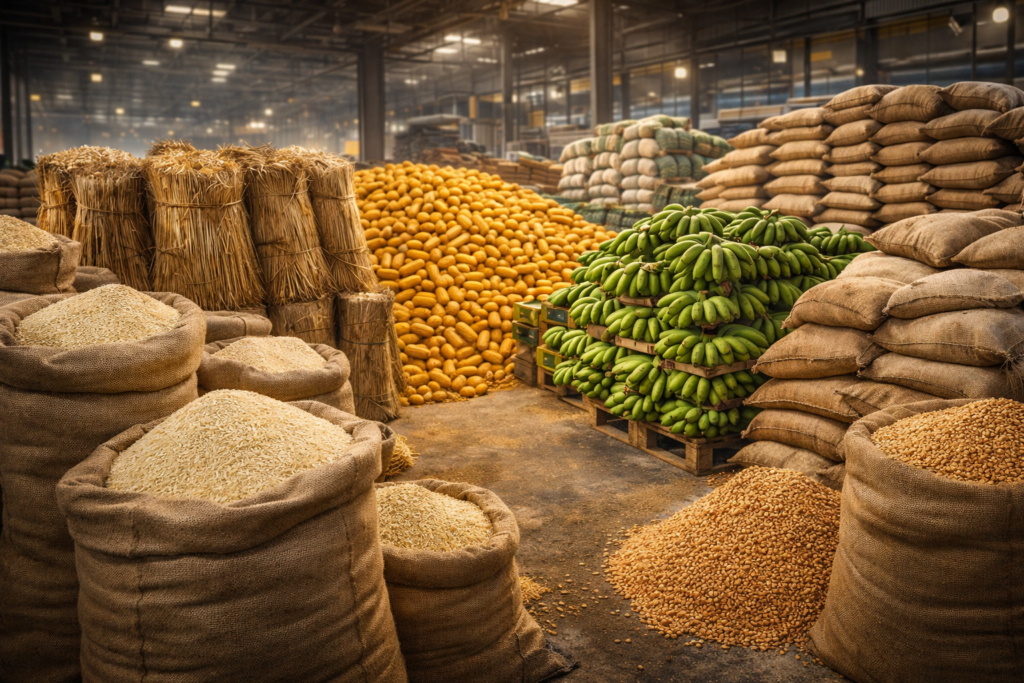
Purnia district in Bihar is widely recognized as an agriculturally rich region due to its alluvial soil, good rainfall, and favorable climatic conditions. Agriculture is the backbone of the local economy, and a large portion of the population depends on farming and related activities for their livelihood. The district benefits from monsoon rains and river systems, which support irrigation and crop growth throughout the year.

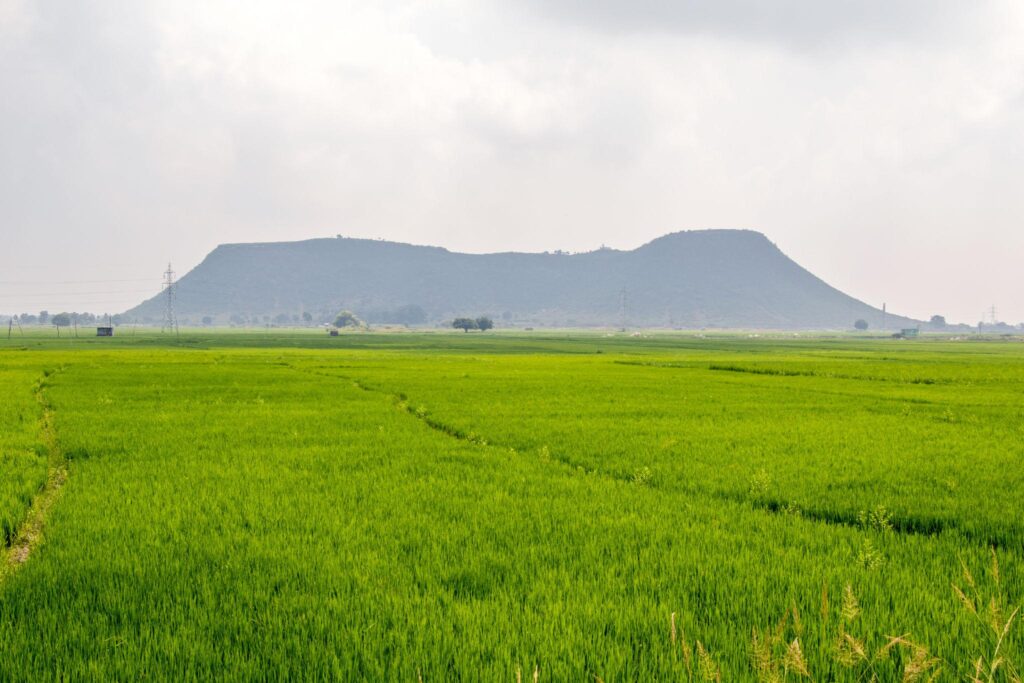
The most dominant crop in Purnia is paddy (rice), which is cultivated extensively during the Kharif season (June–October). The abundance of water and fertile land makes it ideal for rice production, and it serves as the staple food for the region. Alongside paddy, jute is another important cash crop. Purnia’s humid climate and suitable soil make it one of the key jute-producing areas in Bihar, contributing to industries that produce ropes, mats, and eco-friendly packaging materials.

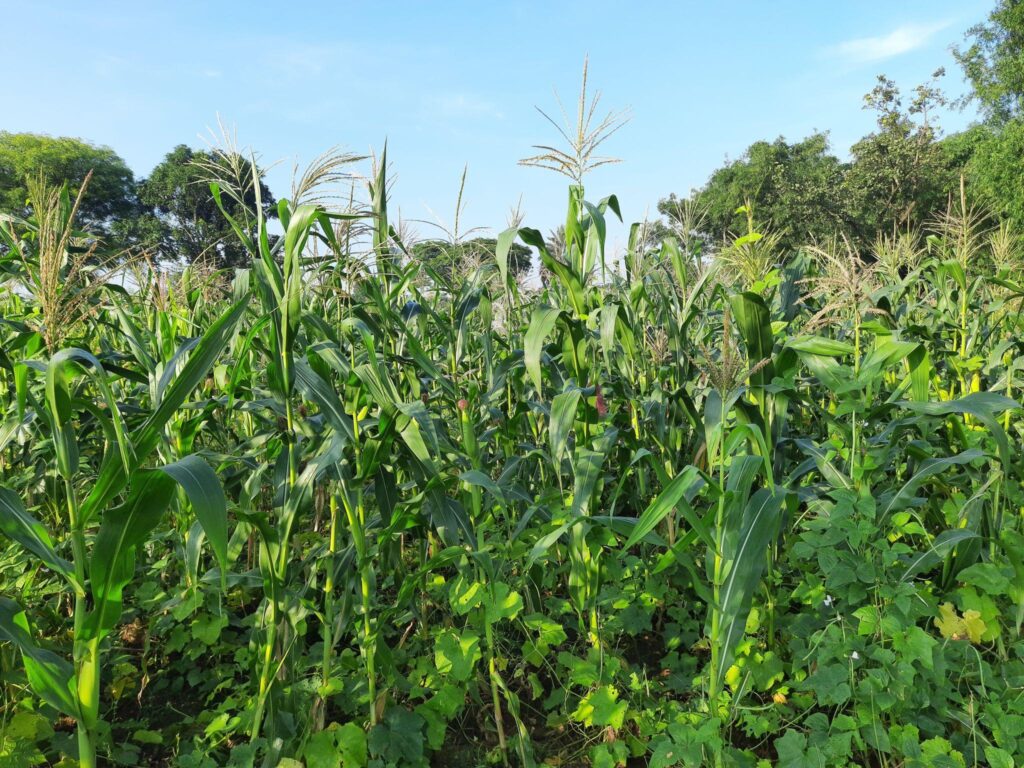
Maize (corn) has also gained importance in recent years due to its high demand in food processing, poultry feed, and industrial sectors. Farmers increasingly prefer maize because of its profitability and shorter crop cycle. In addition, banana cultivation is quite popular in certain parts of the district, supported by fertile soil and favorable temperature, making it a good source of income for farmers.

During the Rabi season (October–March), wheat is widely grown and serves as a staple crop for local consumption. Other supporting crops include mustard (oilseeds), pulses (lentils, gram), and vegetables, which help diversify agricultural production and improve farmers’ income.

Apart from crops, Purnia also has growing activities in dairy farming, poultry, and small-scale agro-based industries, such as rice mills and jute processing units. However, farmers still face challenges like flooding in monsoon, limited modern irrigation systems, and dependence on traditional farming methods.

Overall, Purnia’s agriculture is a mix of traditional practices and emerging opportunities, making it an important contributor to Bihar’s rural economy. If improved infrastructure, technology, and market access are introduced, the district has strong potential for further agricultural growth and agribusiness development. 🌱



Top | Gallery

No Posts Found!

Travel Options | Purnia

By Air

The nearest airport is Purnia Airport (PXN), located about 5–7 km from the city. Flights are available (or planned) to major cities like Delhi, Kolkata, and Hyderabad. You can also use nearby airports:

By Train

Main stations: Purnia Junction (PRNA) Purnia Court (PRNC) Well connected to cities like: Delhi Kolkata Patna Guwahati

By Road

Regular buses by Bihar State Road Transport and private operators. Major routes: Patna → Purnia: ~6 hours, ₹300–₹500 Siliguri → Purnia: ~3–4 hours Best for: Short-distance travel within Bihar & nearby states

Address

Purnia, Purnia District, Bihar 854301, India.
8897965113
9398441197
info@Purnia.com

Scroll to Top